

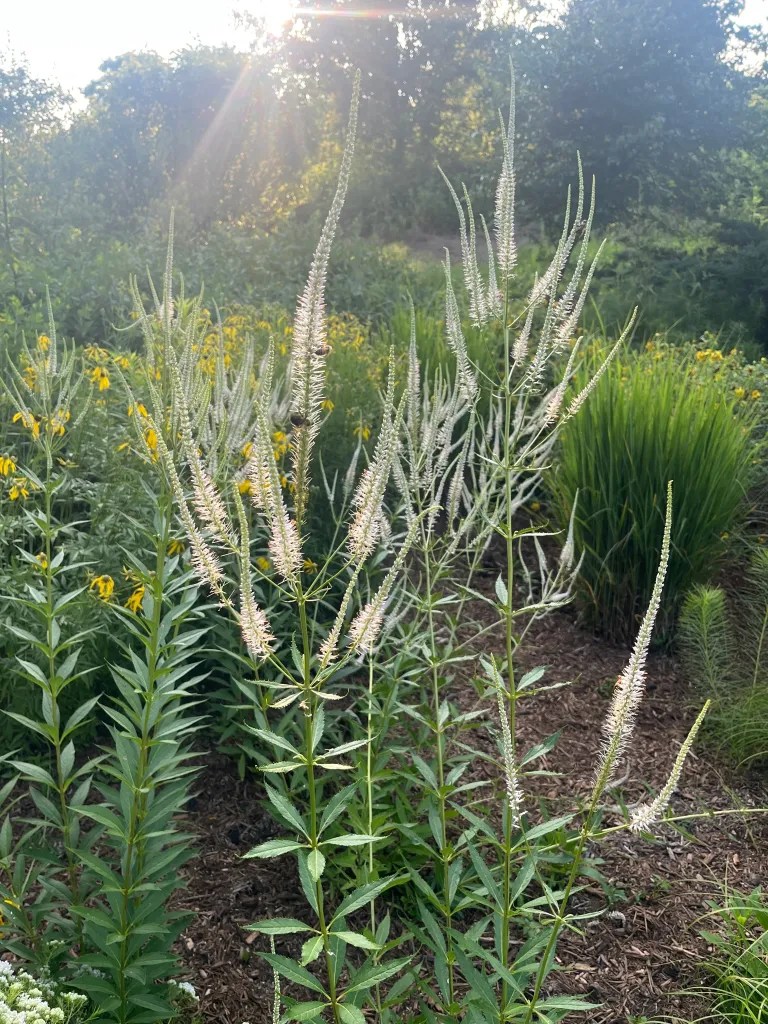


As more people become environmentally conscious, the trend of incorporating native plants into landscape designs is rapidly gaining momentum. Native plants are not only a sustainable choice but also offer a unique aesthetic appeal that can greatly enhance the overall look of your garden or landscape. Native plant design is an acquired taste and not always appreciated by everyone so educating people on the benefits is essential.
Native plants refer to the plants that have evolved and adapted to your specific geographical area over thousands of years. They require less maintenance, are more resistant to pests and diseases, and are more likely to thrive than imported or exotic plants. This makes them a perfect fit for those interested in eco-friendly, low-maintenance landscaping. Not to mention that native plants provide food and forage for native species of animals and the ever important insects in your area.
Creating a seamless blend of form and function, native plants provide a natural and authentic feel to your outdoor space. They help to maintain the local biodiversity by providing food and habitat for local wildlife such as birds, butterflies, and other beneficial insects. Native plants typically have a deeper root system which makes them more tolerant to drought and relieve compaction of the surrounding soil. In East Tennessee this is especially important because of the 4-6 week droughts we have in late summer and with climate change, some small droughts in the Spring.
A well thought out landscape design with native plants can also help in water conservation. The reason being, once established, native plants typically require less water than non-native counterparts as they are naturally adapted to the local climate. This makes them a great choice for those living in areas with water restrictions or those interested in reducing their water usage.
How can you start incorporating native plants into your landscape design?
Start by researching which plants are native to your area. You can do this by visiting a local nursery, consulting with a local landscaper, or researching online. Locally, around Knoxville we have excellent native plant nurseries – Riverdale, Overhill Gardens, Tennessee NatureScapes and Stanley’s Greenhouse are all within reasonable driving distance, carry almost exclusively native plants and have very helpful staff that are knowledgeable and friendly. There is no better resource for plant placement and care than an experienced nursery worker, they have seen it all and usually know what is best for your garden. Any plant you buy from this type of nursery will have a better chance of survival than plant material bought from a big box store where the plants could be grown anywhere.
Look at the space you have available. Consider the soil type, sunlight exposure, and the overall climate. This will help you choose plants that will thrive in your specific conditions. This is a step that is most commonly left out by design amateurs and also professional designers that are just getting started. Good plant selection is hard enough without setting the specimen up for failure right from the start. By putting a full sun perennial deep in the shade you are not always going to kill it but it will never reach its full potential.
Choose a variety of native plants that offer different colors, textures, and sizes to create an appealing and diverse landscape. Consider flowering plants for color, grasses for texture, and trees or shrubs for size and structure. Native plant design has evolved over the last decade to include a more organized structure and appeal to clients that do not care for the messy look that so many enjoy. Simply grouping up similar colors or creating “drifts” of one species can organize the garden and pull the eye of the observer to certain spots within the design.
Think about how you want your landscape to look. Do you want a formal design with structured beds, or a more natural look? Native plants can accommodate both styles. A growing design trend is to incorporate native plants into a structured base. Creating division by using hedgerows with boxwood or some other evergreen will create breaks in the landscape that allow for clients that want a more organized look. This design principle is one of the main elements in the English Cottage look – controlled chaos as it is sometimes referred to.
While native plants typically require less maintenance, they still need care. Regular watering until established, occasional pruning, and yearly mulching can help your plants grow strong and stay healthy. The native plant design aesthetic lends itself to fewer weeds because so much of the available space will be taken up by plant material and what open space there is will be filled in the following season as seeds move across the site. This is very much the opposite of modern design where clients want large spaces around each plant which leaves available sunlight for emerging weeds. This aesthetic is not pleasing to all customers so you have to get a feel for how far you can push them towards sustainable landscape design. The clients that come to you with these ideas are the best because you only have to educate and ensure them about native plant gardening and not convince them to follow a completely foreign idea.
Incorporating native plants into your landscape design is not just about creating a beautiful outdoor space. It’s also about creating a sustainable and eco-friendly environment that supports local wildlife. So, why not give native plants a try? With careful planning and design, you can create a beautiful aesthetic to come home to while also contributing to the conservation of your local biome.
Check out taprootecodesign.com for ideas!!


