Taproot Eco Design is getting back into the plant nursery business. We have spent the last several years establishing Taproot Eco Design in the Knoxville/Maryville landscape markets and we want to get back into the plant production business, but on a smaller scale. The amount of money that landscape installers spend on plants is quite large over the course of a year – in excess of $40,000 for us. Any amount of these plants that we can produce ourselves is money straight into our pocket. With issues like inconsistent availability, poor quality or simply not enough stock, we decided that growing our own plants was the way to go. Taproot started out on a small piece of land in Hardin Valley (pictured above), we had no idea what we were doing but were driven by a passion for plants and a willingness to learn.
The main theme of one of my favorite books, Zen Mind, Beginner’s Mind by Shunryu Suzuki, talks about always maintaining the beginner’s mind in your meditation practice. The beginner’s mind is excited, passionate and always open to new ideas. The opening of the book says: “In the beginner’s mind there are many possibilities, but in the expert’s there are few.” Someone that approaches landscape design with a beginner’s mind will never think they know it all and understand that becoming an expert in this business means that you learn something new every day. If anyone in the the landscape industry ever tells you they have it all figured out – run away from that person as fast as you can and don’t look back.
Taproot Nursery will mainly produce the plants that we use in our design/installs – lots of grasses, sedges, native perennials, several types of ferns, hosta and succulents. Obviously we can not produce ALL the plants we use in a given design like trees, most shrubs or larger scale specimens because we simply do not have the room. With that being said, it is amazing how much you can produce in such a small area given that a 1 gallon pot does not require much space. We do have the advantage of having full sun, partial shade and full shade all in the same small backyard. We can grow full shade ferns 70 feet away from full sun perennials like amsonia hubrichtii. This a hard set up to create artificially (shade cloth) so we will not waste what we have been afforded.
Taproot has two main goals that need to reach for this endeavor to be successful – reduce the cost of plant material by 25% by growing our own stock and learn more about the plants we install. Perfecting the process of growing plants that we use in our designs will give us a more in-depth knowledge of plant processes and in turn give every plant we install the best shot at success. By immersing ourselves in the plant production process we hope that better overall plant health and noticing the signs of plant sickness will make us better at what we do and ultimately will benefit our customers and their landscapes.
Stay tuned as we chronicle the process of converting a suburban backyard into a fully functioning native plant nursery. We will construct plant growing tiers by using an old trampoline frame, create a rain catchment system that will allow us to use untreated water most of the year and dig out a pond for water sequestration. We are excited and hope you can come along for the ride.
As more people become environmentally conscious, the trend of incorporating native plants into landscape designs is rapidly gaining momentum. Native plants are not only a sustainable choice but also offer a unique aesthetic appeal that can greatly enhance the overall look of your garden or landscape. Native plant design is an acquired taste and not always appreciated by everyone so educating people on the benefits is essential.
Native plants refer to the plants that have evolved and adapted to your specific geographical area over thousands of years. They require less maintenance, are more resistant to pests and diseases, and are more likely to thrive than imported or exotic plants. This makes them a perfect fit for those interested in eco-friendly, low-maintenance landscaping. Not to mention that native plants provide food and forage for native species of animals and the ever important insects in your area.
Creating a seamless blend of form and function, native plants provide a natural and authentic feel to your outdoor space. They help to maintain the local biodiversity by providing food and habitat for local wildlife such as birds, butterflies, and other beneficial insects. Native plants typically have a deeper root system which makes them more tolerant to drought and relieve compaction of the surrounding soil. In East Tennessee this is especially important because of the 4-6 week droughts we have in late summer and with climate change, some small droughts in the Spring.
A well thought out landscape design with native plants can also help in water conservation. The reason being, once established, native plants typically require less water than non-native counterparts as they are naturally adapted to the local climate. This makes them a great choice for those living in areas with water restrictions or those interested in reducing their water usage.
How can you start incorporating native plants into your landscape design?
Start by researching which plants are native to your area. You can do this by visiting a local nursery, consulting with a local landscaper, or researching online. Locally, around Knoxville we have excellent native plant nurseries – Riverdale, Overhill Gardens, Tennessee NatureScapes and Stanley’s Greenhouse are all within reasonable driving distance, carry almost exclusively native plants and have very helpful staff that are knowledgeable and friendly. There is no better resource for plant placement and care than an experienced nursery worker, they have seen it all and usually know what is best for your garden. Any plant you buy from this type of nursery will have a better chance of survival than plant material bought from a big box store where the plants could be grown anywhere.
Look at the space you have available. Consider the soil type, sunlight exposure, and the overall climate. This will help you choose plants that will thrive in your specific conditions. This is a step that is most commonly left out by design amateurs and also professional designers that are just getting started. Good plant selection is hard enough without setting the specimen up for failure right from the start. By putting a full sun perennial deep in the shade you are not always going to kill it but it will never reach its full potential.
Choose a variety of native plants that offer different colors, textures, and sizes to create an appealing and diverse landscape. Consider flowering plants for color, grasses for texture, and trees or shrubs for size and structure. Native plant design has evolved over the last decade to include a more organized structure and appeal to clients that do not care for the messy look that so many enjoy. Simply grouping up similar colors or creating “drifts” of one species can organize the garden and pull the eye of the observer to certain spots within the design.
Think about how you want your landscape to look. Do you want a formal design with structured beds, or a more natural look? Native plants can accommodate both styles. A growing design trend is to incorporate native plants into a structured base. Creating division by using hedgerows with boxwood or some other evergreen will create breaks in the landscape that allow for clients that want a more organized look. This design principle is one of the main elements in the English Cottage look – controlled chaos as it is sometimes referred to.
While native plants typically require less maintenance, they still need care. Regular watering until established, occasional pruning, and yearly mulching can help your plants grow strong and stay healthy. The native plant design aesthetic lends itself to fewer weeds because so much of the available space will be taken up by plant material and what open space there is will be filled in the following season as seeds move across the site. This is very much the opposite of modern design where clients want large spaces around each plant which leaves available sunlight for emerging weeds. This aesthetic is not pleasing to all customers so you have to get a feel for how far you can push them towards sustainable landscape design. The clients that come to you with these ideas are the best because you only have to educate and ensure them about native plant gardening and not convince them to follow a completely foreign idea.
Incorporating native plants into your landscape design is not just about creating a beautiful outdoor space. It’s also about creating a sustainable and eco-friendly environment that supports local wildlife. So, why not give native plants a try? With careful planning and design, you can create a beautiful aesthetic to come home to while also contributing to the conservation of your local biome.
In recent years, there has been a noticeable shift in the landscape design world, with homeowners, businesses, and public parks alike embracing the diverse beauty and environmental benefits of native plant design. It’s an approach that blends aesthetics with ecology, resulting in stunning landscapes that are in harmony with their local environment.
In one study in Mind, 95% of those interviewed said their mood improved after spending time outside, changing from depressed, stressed, and anxious to more calm and balanced. Other studies by Ulrich, Kim, and Cervinka show that time in nature or scenes of nature are associated with a positive mood, and psychological wellbeing, meaningfulness, and vitality. Over the last 3 years I, personally have seen what the benefits of being in nature every day will do for my overall mental health. Now, I do not know how I ever survived without this approach or slept well for that matter. Forest bathing has become a popular term over the last few years. Since surviving the pandemic, countless people developed habits of walking, hiking or simply sitting in their backyards as a stress relief management system. Do not go to the mall or your local gym to walk around an indoor track or even worse, a treadmill. Simply go outside and go for a walk – preferably in a place with trees, flowers and green. Breath it in and feel the restorative properties that occur when you immerse yourself in nature.
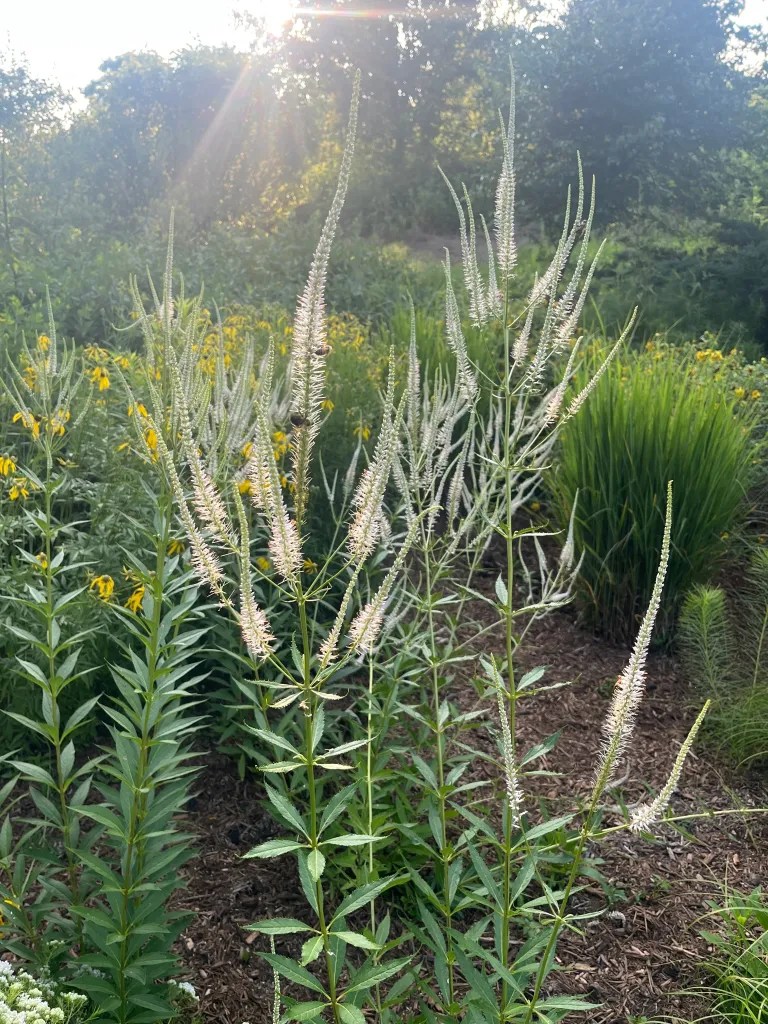
For the uninitiated, native plant design refers to the practice of using plants that are indigenous to a specific geographical region in landscaping projects. These plants have evolved naturally over thousands of years to survive and thrive in local conditions, making them a sustainable and low-maintenance choice. The overall look is something that many clients can not wrap their head around, not to mention that to them it just looks ugly. When I first started out in this field 16 years ago, I would have definitely fit into this category – not only did I not know many native species but more importantly, it was not pleasing to my eye. Over time I grew to appreciate the native plant aesthetic by noticing its beauty in nature, not in a design, but on a local hike or in the mountains. Taking that natural native look to a backyard in West Knoxville became the next challenge. The ultimate challenge is getting clients’ to appreciate it on their own without the designer having to tell them how beautiful it is.
The growing popularity of native plant design can be attributed to several factors. Firstly, using native plants in landscaping projects greatly reduces the need for water, fertilizers, and pesticides, making them a more environmentally friendly choice. They also help to create habitats for local wildlife, contributing to the preservation of biodiversity. We have talked about this subject matter in previous articles and will continue to make the connection between native plant design and the beneficial effects it brings to local biodiversity.
In addition, native plants offer a sense of place and authenticity that can’t be replicated with exotic species. They help to maintain the distinctive characteristics of local landscapes, creating a strong connection between people and the natural world around them. Not to mention that natives have a much better survival rate because they are conditioned to thrive in local soil conditions, summer drought or frigid temperatures in the winter months. Look at Knoxville over the past 2 winters, we have had below normal temperatures that have wreaked havoc on some plant species. Most of the victims have been non-natives like boxwoods, crape myrtle, distylium or indian hawthorne.
Furthermore, the use of native plants has been linked to health benefits. Research shows that being in nature, particularly in green spaces that resemble natural ecosystems, can reduce stress and increase feelings of well-being. Find a park or some type of green space near your home that makes you feel calm and visit this place as often as possible. If you can accomplish this type of setting in your own backyard, even better.
As the climate crisis deepens, the importance of sustainable landscaping practices is becoming increasingly clear. Native plant design offers a practical and beautiful solution, helping to create resilient landscapes that can withstand the impacts of climate change. As we talked about earlier in the article, natives have an advantage over non-indigenous plants because the climate and soil conditions are not foreign to them and little acclimation is needed.
Another factor driving the popularity of native plant design is the trend towards outdoor living. As more people seek to make the most of their outdoor spaces, there is a growing demand for landscapes that are not only beautiful, but also functional and sustainable. It has taken some time but the public, overall, has started to see the beauty in this type of designing. It is no longer an aesthetic that is only pushed by landscape designers. It is an amazing feeling when you show up for a new lead and the first words out of the client’s mouth is, “native plant design.” Usually these types of clients are very knowledgeable which makes your job as a designer easier because they know what they want.
Despite its many benefits, native plant design does pose some challenges. Finding the right plants can be difficult, particularly in urban areas where native species may not be readily available. However, a growing number of nurseries are now specializing in native plants, making it easier than ever to incorporate them into your landscape design. In Knoxville we are especially lucky to have a non-profit organization that collects native plants from sites scheduled for construction and disperses them to the community. NPRS or Native Plant Rescue Squad will sell these reclaimed plants to the public and also do plant installations for private homeowners and community programs as well. Taproot recently worked with NPRS to complete a wildflower garden in the Island Home Community. NPRS is also a great source of information about native plant design and what each individual plant can do for the health and beauty of your garden.
I am always amazed by the native plant lovers that have not acquainted themselves with their local native nursery – at this point, they exist, I promise, you just have to make an effort to find them. I do not know a better way to spend an afternoon than slowly moving through a native plant collection and imagining the possibilities. It doesn’t matter whether it is for work or relaxation it is always time well spent.
In conclusion, the popularity of native plant design is a testament to a broader cultural shift towards sustainability and environmental consciousness. As we continue to grapple with the impacts of climate change, it’s likely that this trend will only continue to grow. So, whether you’re planning a major landscaping project or simply looking to add a touch of nature to your outdoor space, consider embracing the beauty and benefits of native plants, your community and local environment will thank you.